
The complete guide
How To Choose A Memory Foam Mattress Topper
The bed is fine, it just feels wrong
Most people do not replace a mattress because it broke. They replace it because the surface stopped feeling right. The springs still work, the frame is sound, nothing is torn, but the top of the bed has gone hard, or flat, or just unfamiliar after a few years of nightly use. Replacing the whole thing is a big spend and an awkward afternoon with a van.
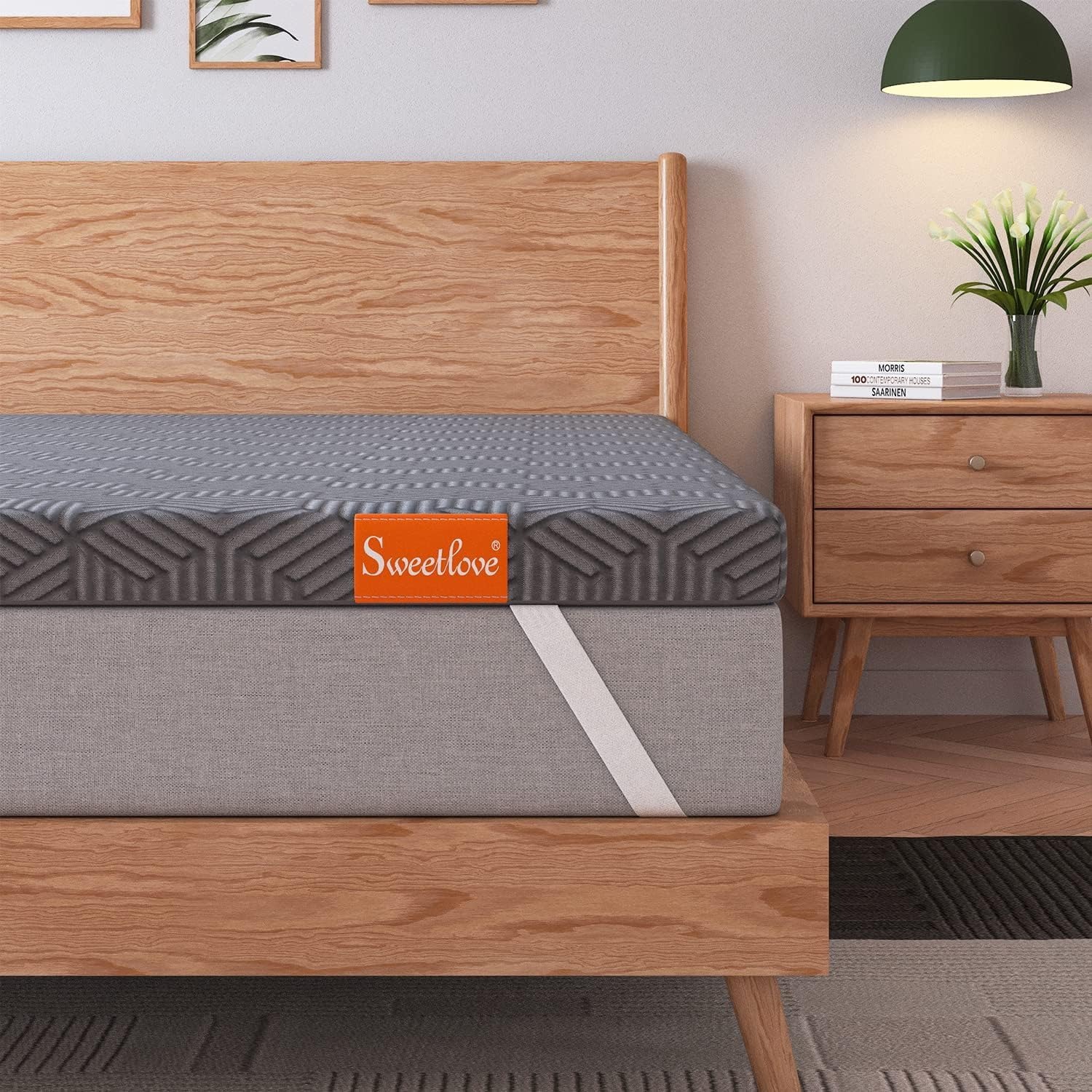
A mattress topper is the in-between answer. You add a layer on top and change the feel of the sleeping surface without touching what is underneath. This one is 8 cm of foam in two bonded layers, which is thick enough to be a genuine change rather than a thin quilted pad that disappears after a week.
It is worth being honest about what a topper can and cannot do. It can soften a bed that is too firm. It can smooth out a surface that has become uneven from general use. It can make a cheap guest bed feel a lot more like a real one. What it cannot do is fix a mattress with a deep sag in the middle, because foam follows the shape it is laid on. If you can see a dip from across the room, the mattress is the problem and a topper will sit in the dip with you.
What the two layers actually do
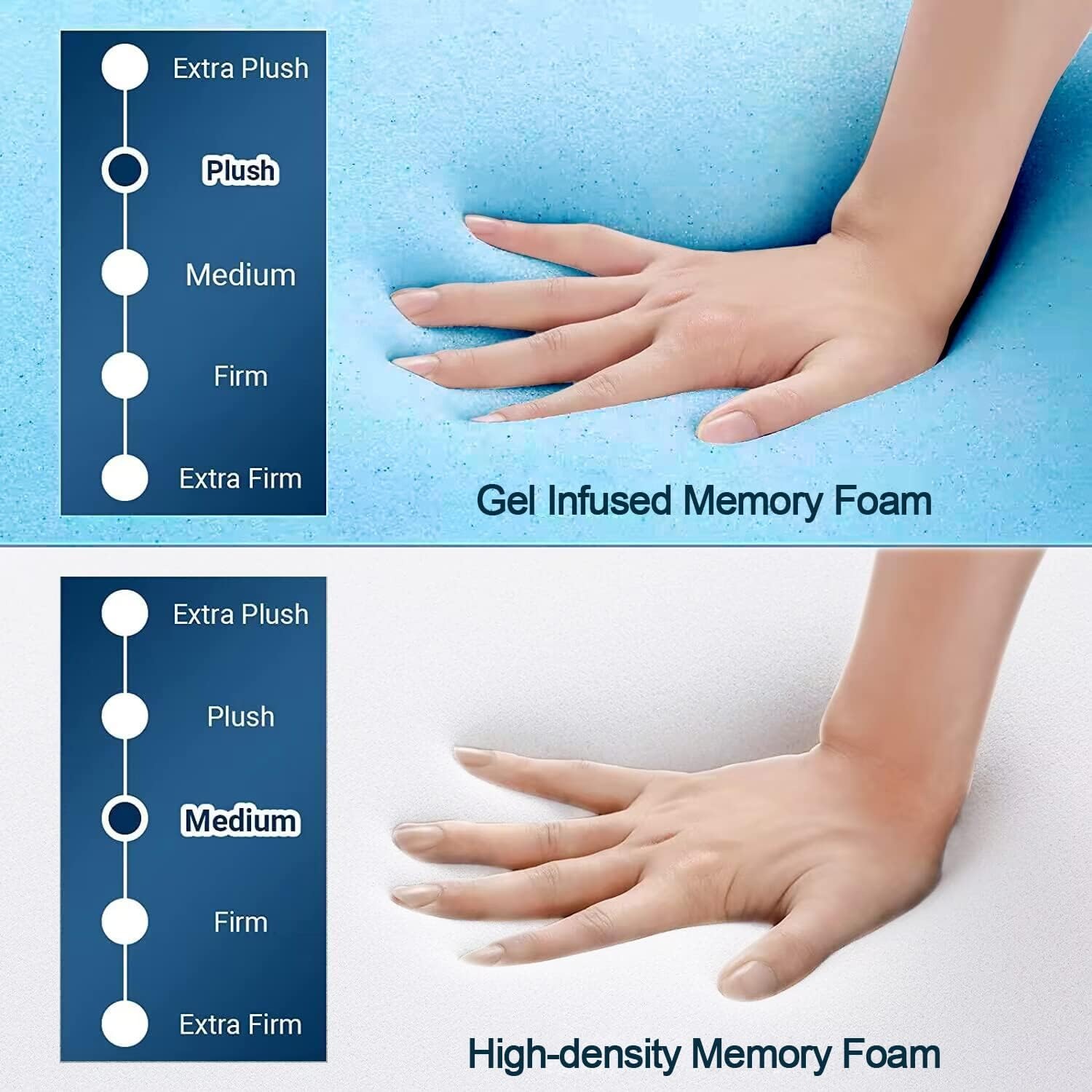
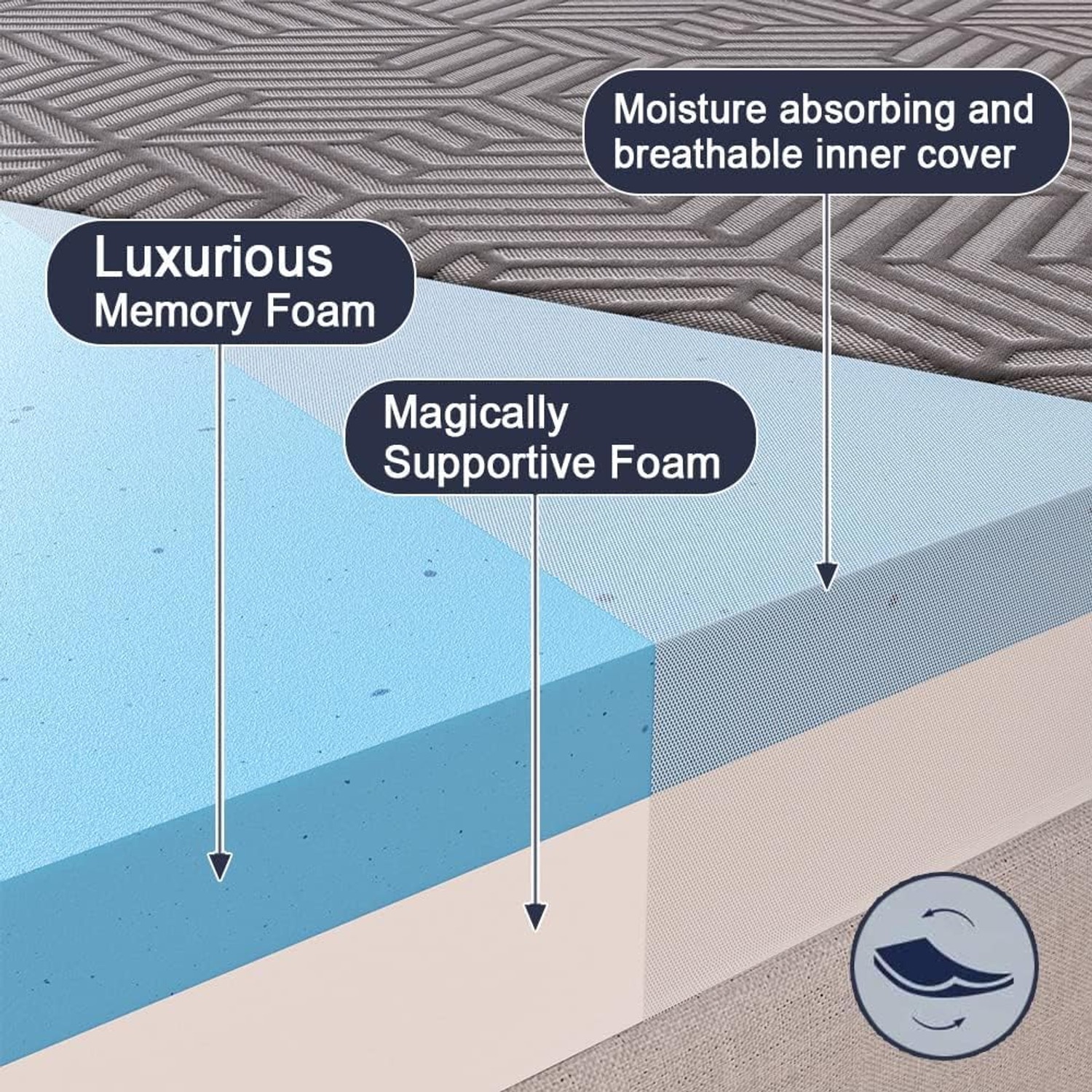
The construction here is straightforward. On top sits gel-infused memory foam. That is the slow-responding foam that takes the shape of your body and holds it for a moment after you move. It is the reason memory foam feels different to a spring mattress, where the surface pushes back immediately.
Underneath is a high-density support foam. This is the part that gets overlooked, and it matters. Memory foam on its own, if it is thin enough, compresses all the way down and you end up feeling the mattress through it. The denser base layer gives the comfort layer something to work against, so the topper keeps some structure under load instead of flattening out.
The listed firmness is firm. That word confuses people when it is attached to memory foam, because memory foam still contours. Think of it as a foam that contours but does not let you sink deeply. If you want a cloud-like, swallow-you-whole surface, a firm topper is not it. If your bed is currently too hard and you want it softened without losing all support, this is closer to the mark.
Picking the right size
Two sizes are sold here. Double is 137 x 190 cm. Queen is 153 x 203 cm. Both are 8 cm thick.
Measure the mattress itself, not the bed frame, and do it across the widest point. Australian bed sizes are mostly standard but older mattresses and imported ones do drift a centimetre or two. If your measurement sits between the two sizes, go with the smaller one. A topper that is slightly under-sized tucks in neatly and the straps still reach. A topper that is slightly over-sized hangs over the edge, catches when you sit down, and never sits flat.
The second measurement people forget is sheet depth. You are adding 8 cm to the total height of the bed. A standard fitted sheet with a shallow pocket may not stretch over the mattress plus the topper, and if it does, it will pop off a corner at two in the morning. Add your mattress depth to 8 cm and check that number against the pocket depth printed on your sheet packaging. Deep-fitted sheets handle this comfortably. If you are buying a best mattress topper with washable cover as a gift, it is worth mentioning the sheet issue to whoever receives it.
Keeping it in place
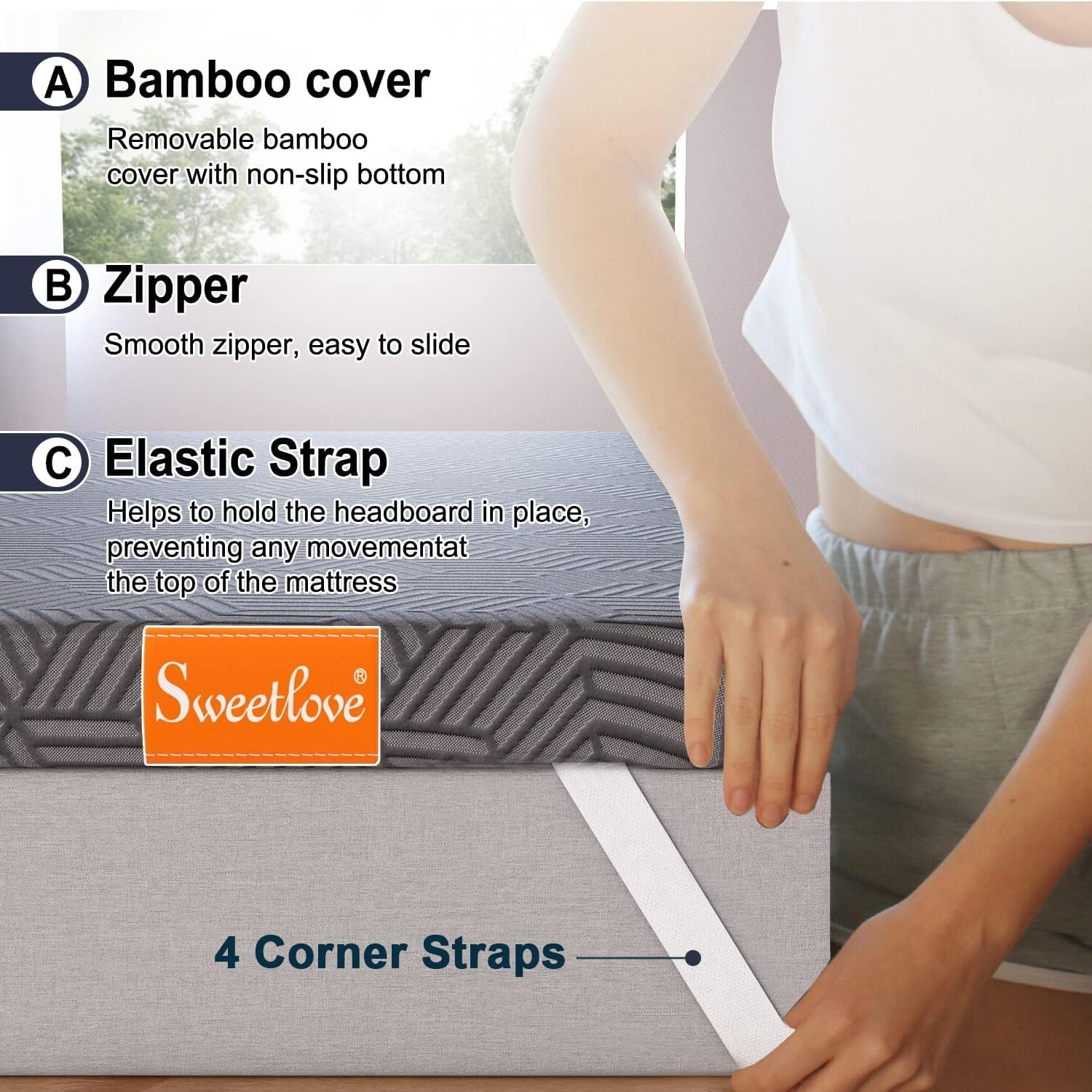
A loose slab of foam on a slippery fitted sheet will wander. You notice it after a few nights, when the topper has crept toward the foot of the bed and there is a bare strip at the top. This one handles that two ways. Elastic corner straps loop under the mattress and anchor each corner, and the base of the topper is anti-slip so it grips the surface underneath instead of sliding on it.
When you first set it up, hook all four straps before you make the bed. It is much easier with nothing on top. Pull them firm but not so tight that the topper puckers at the corners, because a puckered corner creates a ridge you will feel. If your mattress is very deep, check the straps reach comfortably before you commit to the position.
The cover is the bit you maintain
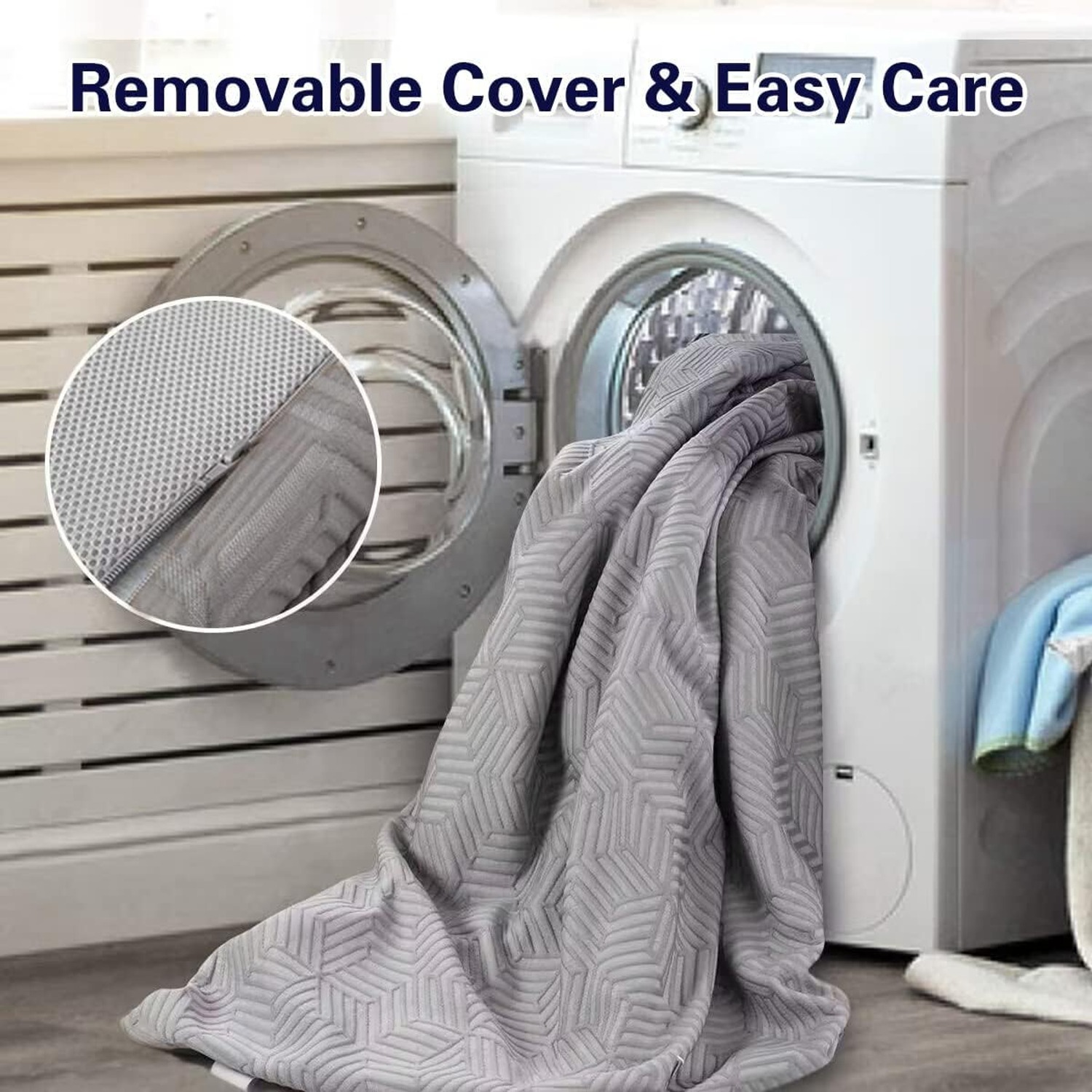
The cover is bamboo viscose blended with polyester, and it unzips completely so you can take it off and wash it. This is more useful than it sounds. Foam cannot be washed. It cannot be soaked, it cannot go in a machine, and if it gets wet through it takes days to dry properly and may never dry fully in the middle. So the only part of a foam topper you can genuinely clean is the cover, which makes a removable one worth having.
Wash the cover on a normal cycle and dry it on low heat or in the air. Avoid a hot dryer. A blended fabric can shrink, and a shrunken cover is a nightmare to get back over an 8 cm block of foam. If you have ever tried to wrestle a tight cover onto expanded foam, you will only do it once.
For the foam itself, spot clean. Barely damp cloth, a little mild detergent, blot rather than rub, then let it dry fully in the air before the cover goes back on. Many people also run a mattress protector over the top of the whole setup, which catches spills before they ever reach the foam. That is a sensible habit, and it is the simplest way to extend the life of any best firm mattress topper.
Unpacking and the first few days
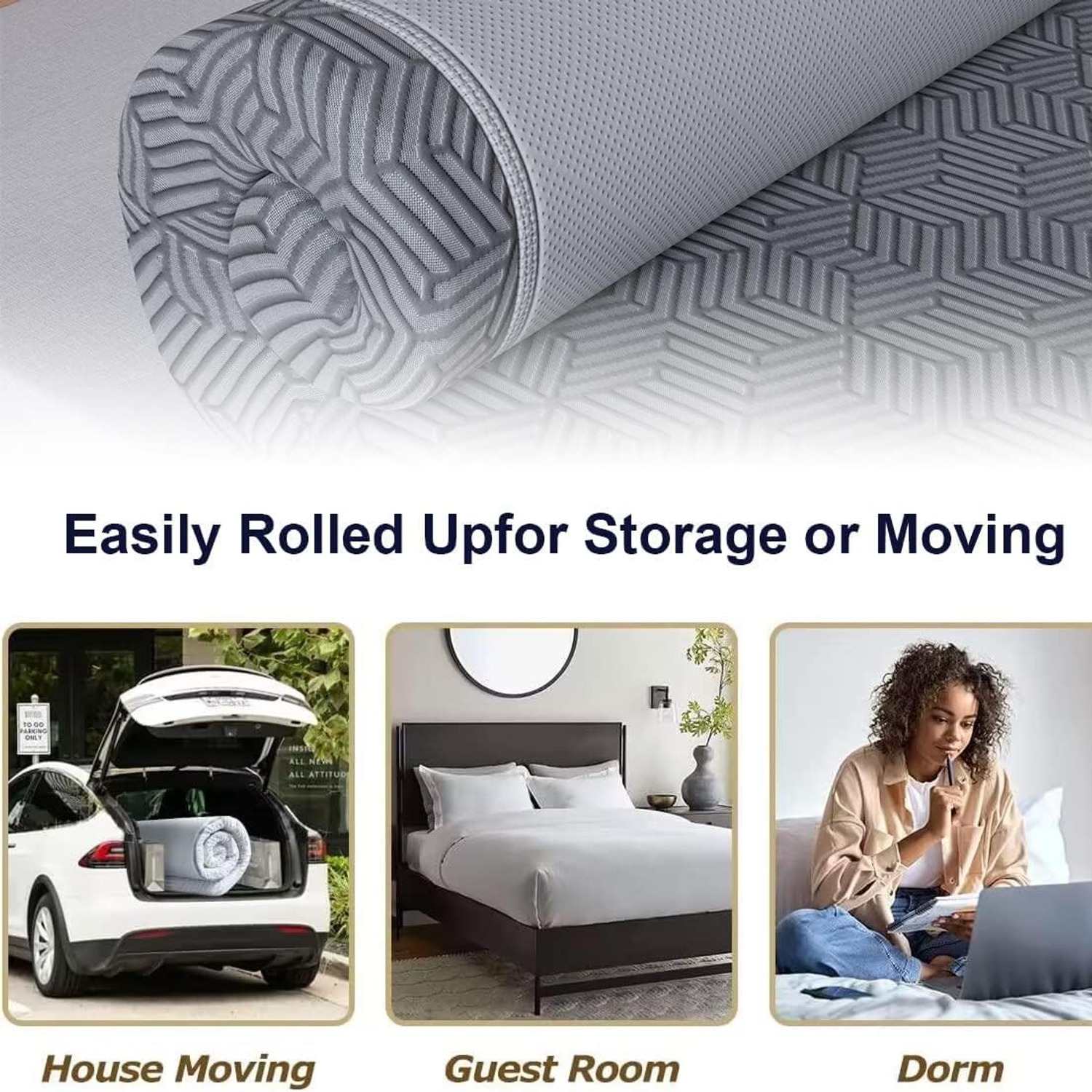
The topper arrives vacuum packed and rolled. That keeps the box a reasonable size and makes it possible to carry upstairs, though in Queen it still has some weight to it and a second pair of hands helps.
Open it on the bed, not on the floor, because once it starts expanding it gets harder to move. Cut the plastic carefully and unroll it flat. Most of the expansion happens in the first few hours and it reaches full thickness within about a day. A warm room speeds it up. A cold garage slows it right down, so bring it inside before you open it.
New foam carries a faint smell when it comes out of the packaging. This is normal for any vacuum-packed foam product. Open a window, leave the cover off for a few hours, and let the room breathe. It fades on its own over the first day or two. Do not sleep on it the same hour you open it if the smell bothers you, give it a night to air.
Who this suits
It suits anyone whose bed has gone too firm and who is not ready to replace the mattress. It suits spare rooms, where the bed gets used a handful of times a year and nobody wants to spend mattress money on it. It suits a rental where the furnished bed is not your choice. It suits anyone who likes the contouring feel of memory foam but wants to try it without committing to a whole mattress.
It is less suited to someone who wants a plush, soft, sinking surface, since the firmness here is firm. It is also not the answer for a mattress that has structurally failed. And if you share a bed with someone whose preferences are the opposite of yours, one topper across the whole bed is always going to be a compromise.
Looking after it long-term
Rotate it head to foot every few months. You do not flip it over, because the gel memory foam is the sleeping side and the grippy base belongs underneath. Rotating spreads wear across the surface instead of letting one spot carry all the load.
Wash the cover on the same schedule you wash your sheets, or close enough. Keep liquids away from the foam. If you need to store it, keep it flat or loosely rolled in a dry place and avoid leaving it folded hard for months, since a permanent crease weakens the foam along that line.
The short version
Eight centimetres of foam in two layers, gel memory foam over a denser support base, with a firm feel. The cover is bamboo viscose and polyester, it zips off, and it goes in the machine. Elastic corner straps and an anti-slip base stop it travelling. Double is 137 x 190 cm, Queen is 153 x 203 cm, and it comes in grey.
Measure your mattress, check your sheet depth, let it expand for a day after it arrives, and air the room while it does. Delivery is free across Australia on orders of $75 or more, and every price includes GST.